Is it even worth it
I help figure out two things: where AI actually pays off, and where you're better off not starting. If the idea is sound, I help get it to something that runs. If it isn't, I say so up front — not six months in.
years messing with AI, edge and robots
pieces of hardware taken from idea to production
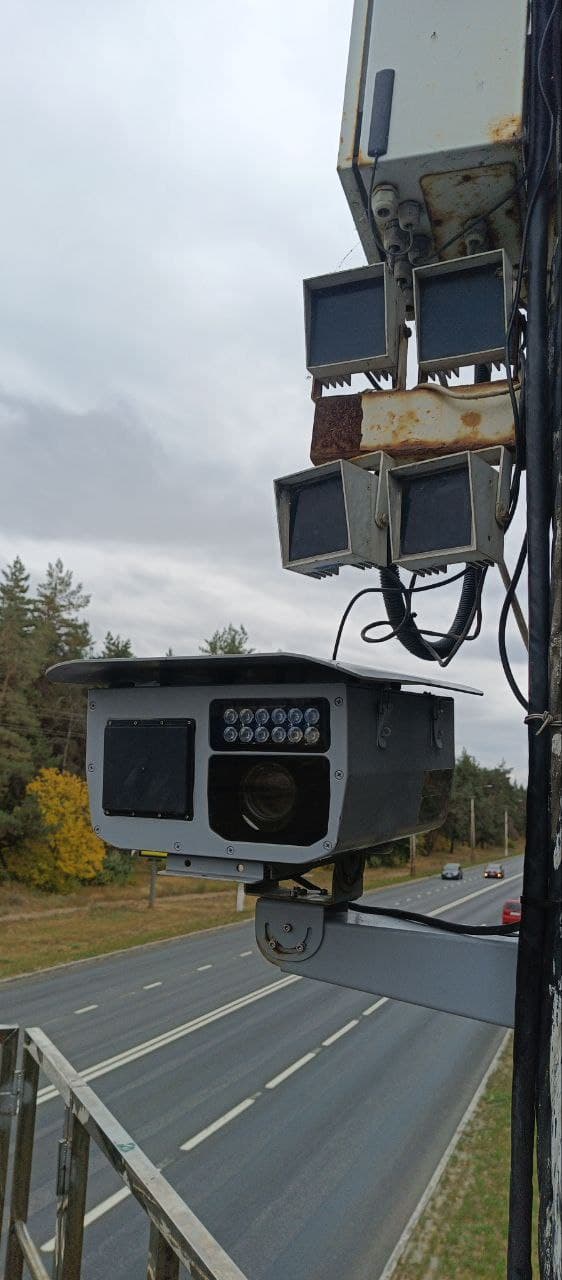
camera + compute units running out in cities
neural nets running on the device itself, no server
What I actually do
I help figure out two things: where AI actually pays off, and where you're better off not starting. If the idea is sound, I help get it to something that runs. If it isn't, I say so up front — not six months in.
I work out what it'll run on: your own servers, GPUs, cloud. Honest numbers — what to buy and what it costs to keep running. If you can't put a number on the cost of inference, the project isn't ready yet.
I look at how things are set up and find the spots where an LLM, computer vision or agents earn their keep. Usually the problem isn't the model, it's the data — so that's where I start. I rarely suggest agents as a first step.
If the data can't leave the building, we do it locally. If local gets too expensive, we price the cloud. If it's expensive everywhere, I tell you that before we start, not after.
I work out roughly what it'll save or earn before the money is spent. Sometimes the answer is that it's not worth it — that's a fine outcome too, and better to know early.
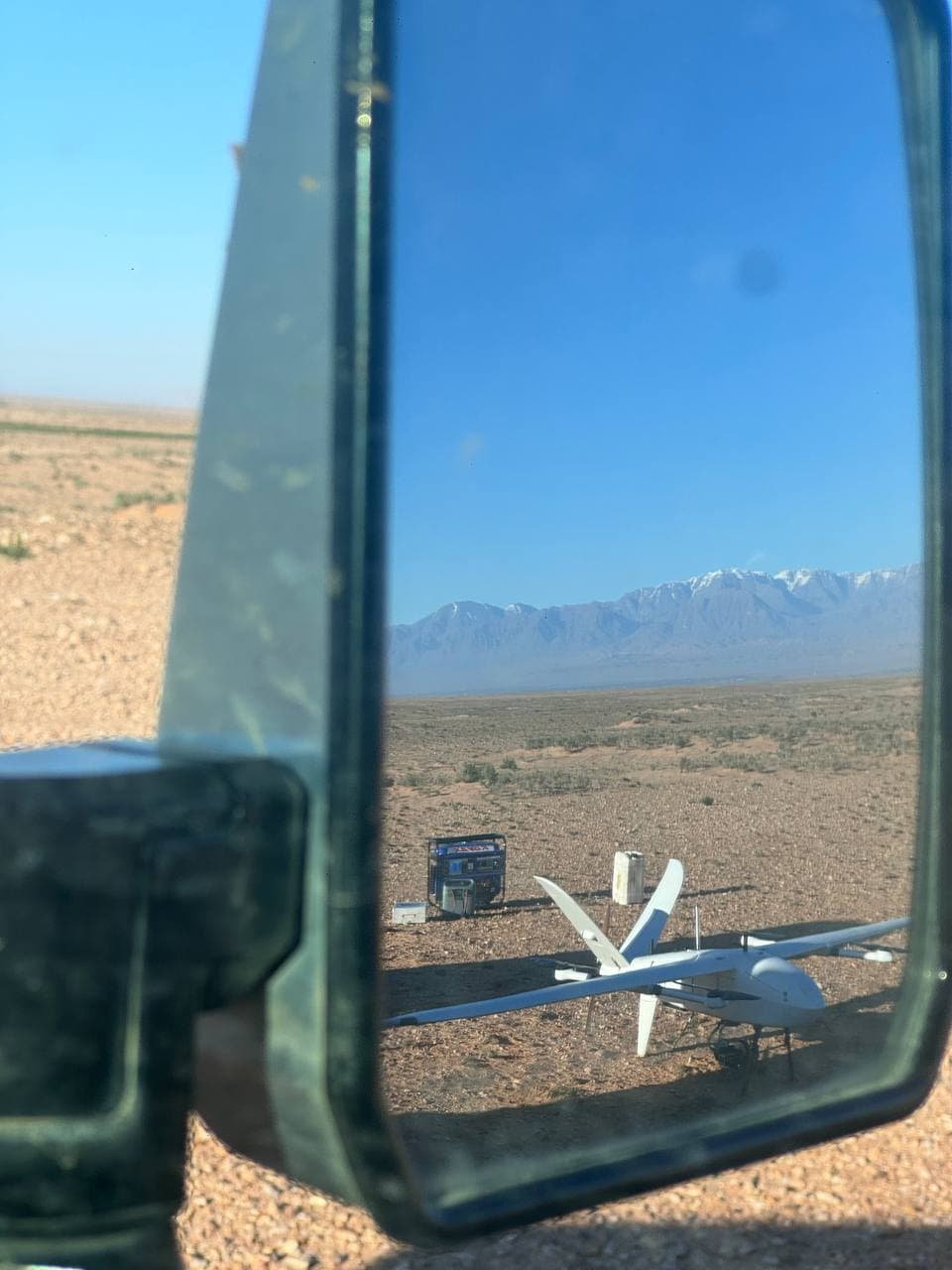
When data can't leave the device, or the cloud bill gets silly, I run the models locally: on-device, edge, your own LLM. I did exactly this on drones and cameras, where there simply is no server.
The model is maybe ten percent of the work. The rest is data, hardware, and keeping it from falling apart in the field.

Aleksandr Davydov
Engineer · computer vision, edge AI, robots
Who I am
Engineer. Four-plus years messing with full-stack, embedded, edge AI and robots — and getting all of it to actually work out in the field.
I started as a developer who took on whatever a project needed. Then I became the one who runs the team and owns what actually ships: secure government platforms, camera-detection products on city streets, AI for autonomous drones, rovers and submarines.
In Abu Dhabi I ran the R&D group for autonomous robots. Before that, at City Technologies, we built three products that went from idea to hardware — they're on the streets now across Russia and neighbouring countries.
Over the years I learned one simple thing: the model is maybe ten percent of the work. The rest is data, hardware, integration, and keeping it from falling apart a month later in the field. That's what I talk about with people trying to fit AI into their business.
From the work
Roadside camera + compute units that recognise vehicles, plates and events in real time. Running in several cities.
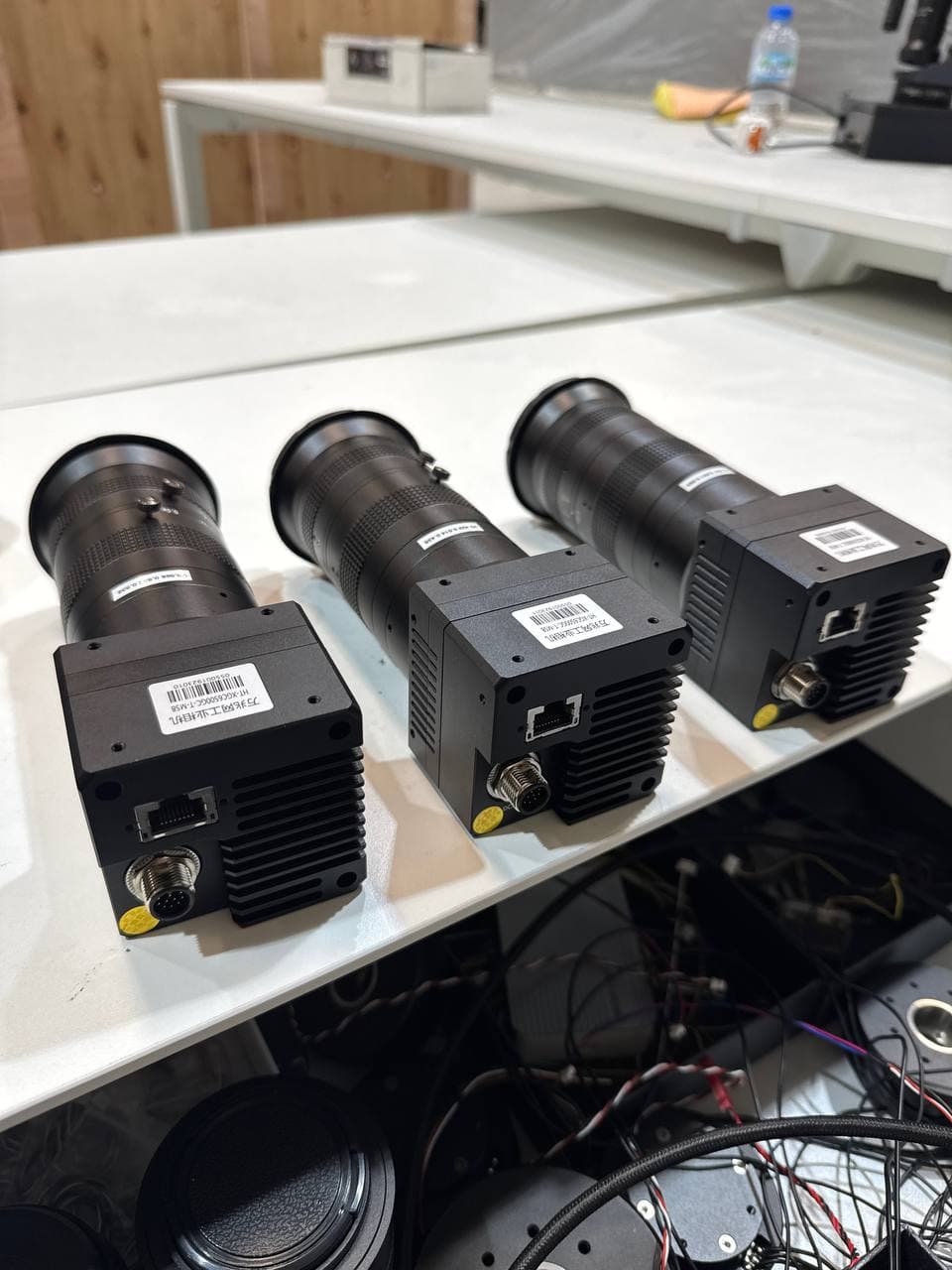
Picked and assembled the multi-camera capture for the onboard rig — detection and tracking on the move.
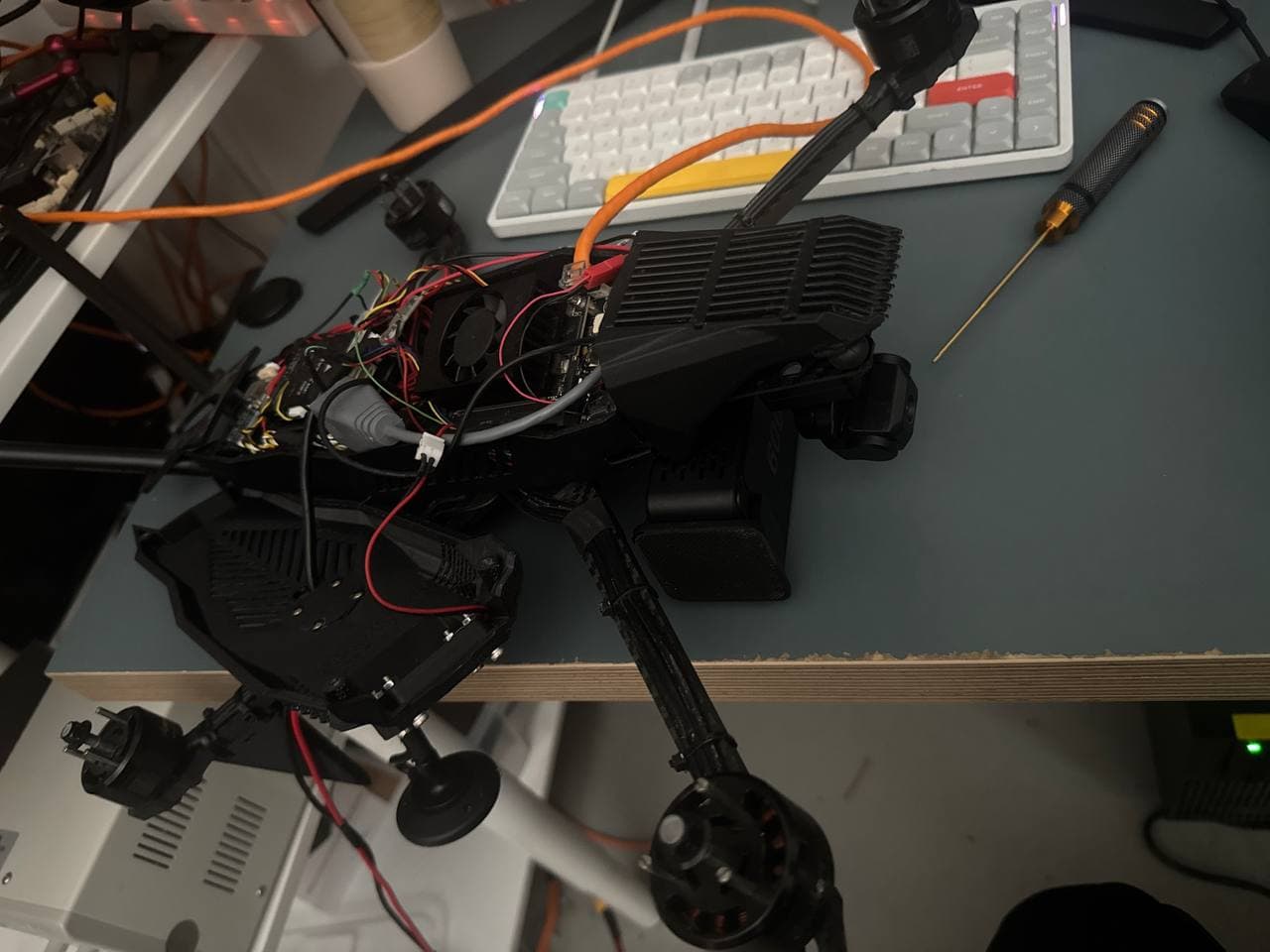
A Jetson on a robot doing detection and scene understanding fully offline — no server anywhere.
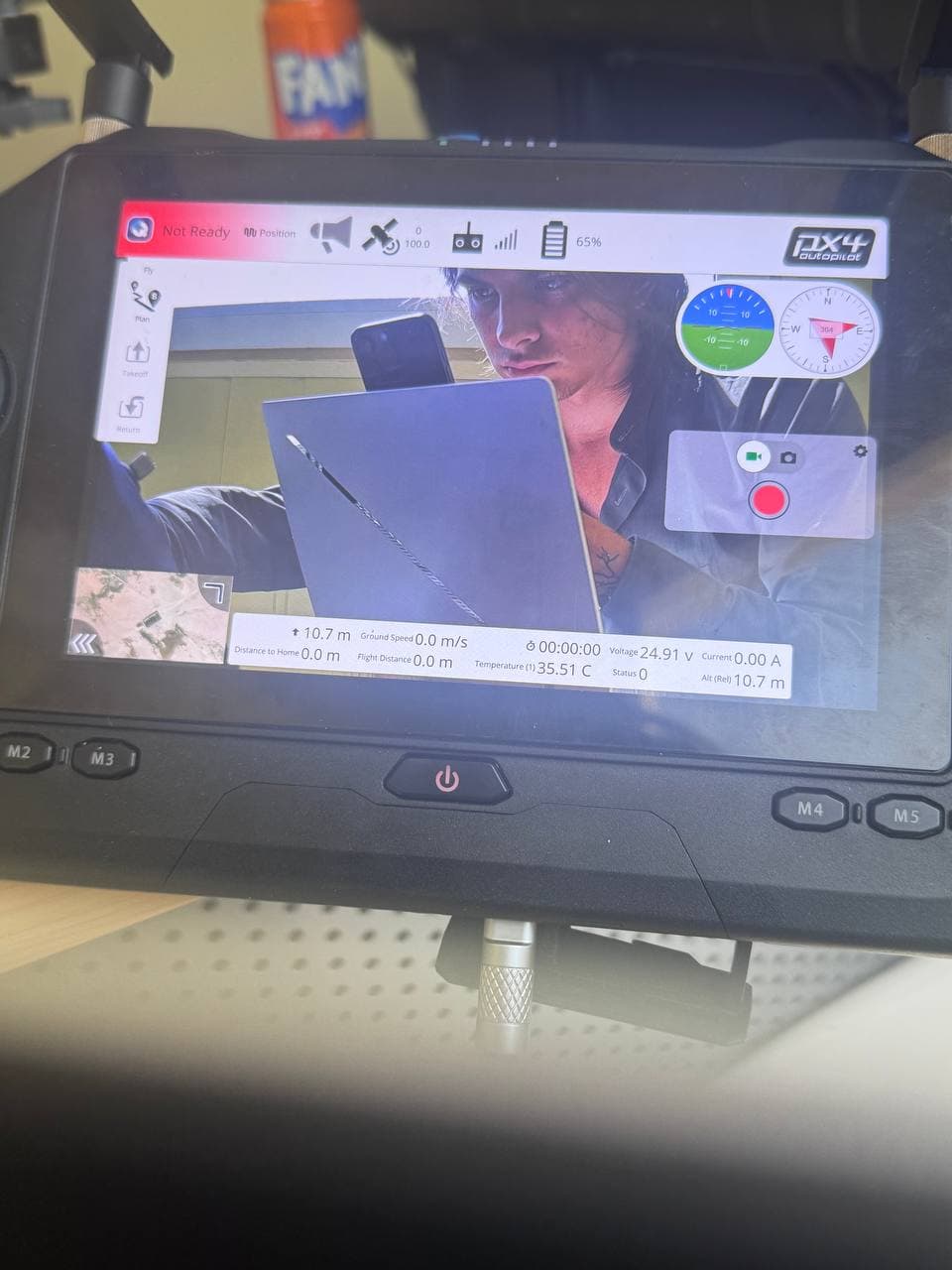
Ground control and vision for autonomous drones. The hard part is spotting a small, low-contrast target from hundreds of metres up.
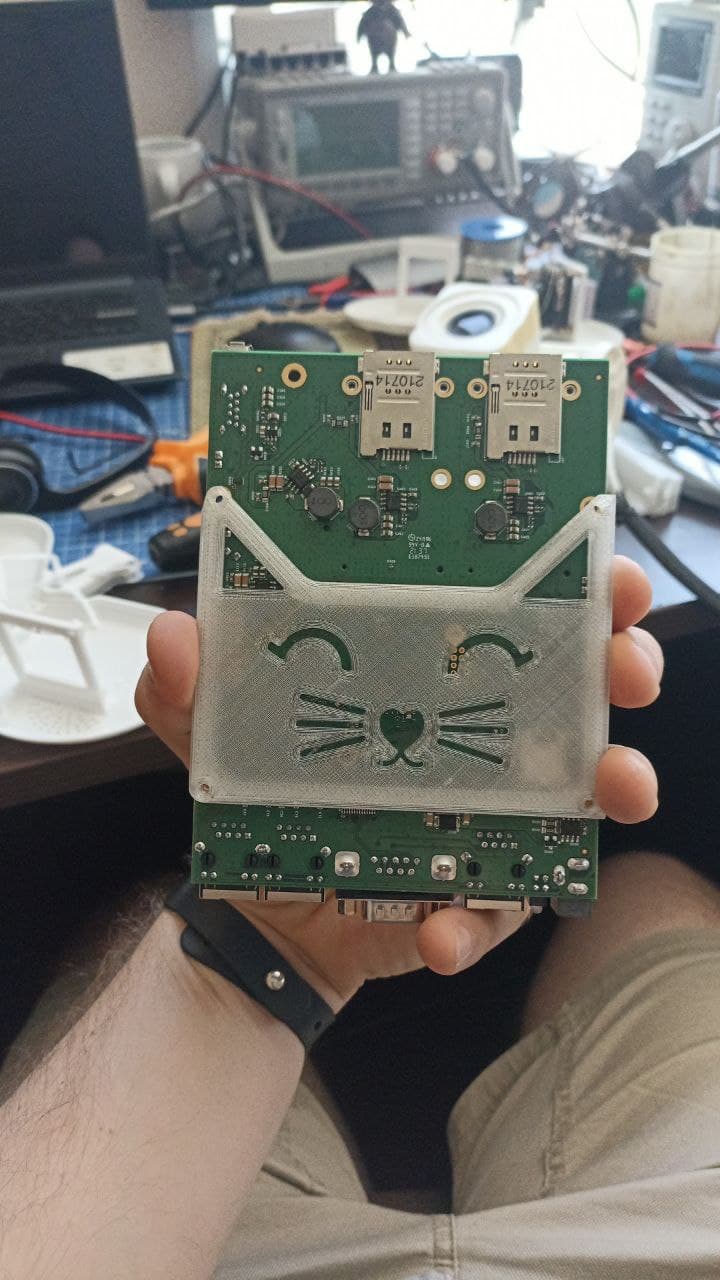
When there's no off-the-shelf hardware, you make your own. I laid out and brought up this board myself — the cat enclosure I printed just for fun.
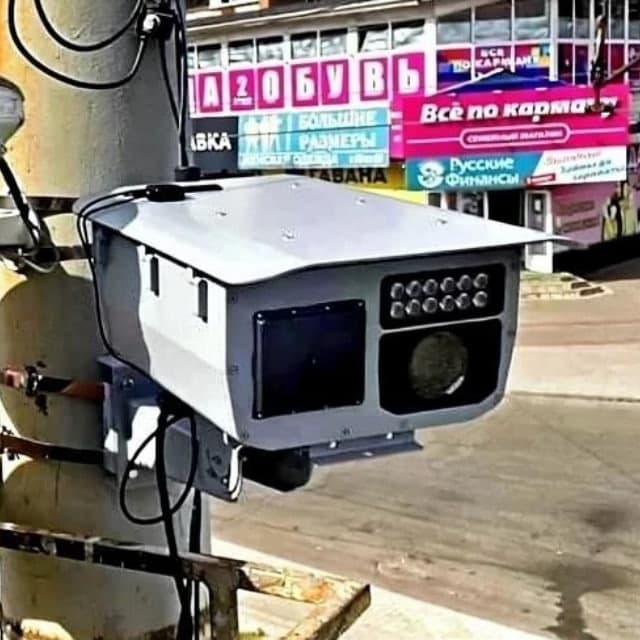
Several hundred units shipped and kept running in the real world, not in the lab.
Where I worked
Helping companies with AI · Remote / worldwide
Head of R&D group · Abu Dhabi, UAE
Tech lead, computer-vision team · Belgorod / Moscow
Lead developer (contract) · Belgorod
What I work with
In a couple of lines — what you're trying to do. I'll tell you honestly whether AI is even the right tool, what it would take, and roughly what it costs. If you don't need AI, I'll say that too.
PDF · in English and Russian